Hasanuddin University Study Explores Potential of Nanocellulose from Caulerpa racemosa as a Natural Humectant
MAKASSAR, Indonesia, Jan. 23, 2026 /PRNewswire/ -- With skincare emerging as a rapidly expanding global market, the demand for safe, natural ingredients continues to rise. Alternatives to harsh synthetic products, focusing on biodegradable ingredients, ethical sourcing, and eco-friendly packaging, are thus being looked for.

Humectants are an important component of skincare products and essential for moisturizing the skin. These substances attract water molecules, increasing the water content of the skin. They are essential to repair and retain the skin's natural barrier and protect the skin against environmental stressors. While conventional synthetic humectants like glycerol and hyaluronic acid are available, there is a need for sustainable alternatives with better safety profiles.
Now, a team of researchers led by Professor Indah Raya from Hasanuddin University, have explored the potential of nanocellulose derived from green algae Caulerpa racemose as a sustainable and natural source of humectant. "Due to their unique structure, nanocellulose are known for their high biocompatibility and excellent water-absorbing ability. As Caulerpa racemose is abundantly available in Indonesia, we wanted to understand the efficacy of nanocellulose derived from this alga as a natural skin moisturizer," mentioned Dr. Raya. The research was made available online on May 6, 2025 and published in the International Journal of Biological Macromolecules on May 8, 2025.
Fresh, clean, and contaminant-free seaweed was collected from Takalar Aquaculture village, South Sulawesi, Indonesia. The team processed the raw material to extract nanocellulose and then examined its structure, particle size, and moisture-retention behavior. These analyses were carried out to determine whether the material could function effectively as a humectant while remaining stable and skin friendly.
The results showed functional groups typical of cellulose, confirming their ability to bind water molecules efficiently. Its nanoscale structure allows for improved penetration and even distribution on the skin surface. Compared with currently available conventional humectants this nanocellulose can easily bind to water molecules and retain them for a longer period. It offers a safer alternative to synthetic humectants, with a lower risk of irritation and better skin compatibility.
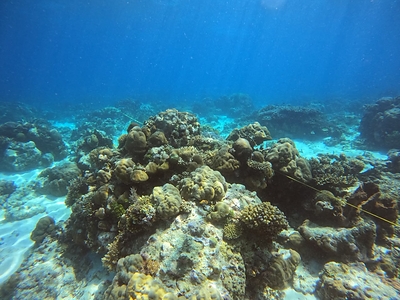
The nanocellulose can be used to develop multiple formulations, including moisturizers, facial masks, body lotions, and anti-aging products. Importantly, it is biodegradable, renewable, and environmentally friendly. The use of Caulerpa racemosa also supports the concept of blue economy, encouraging the sustainable use of Indonesian marine resources.
Moreover, this study contributes to the United Nations Sustainability Development Goal 14,"Life Below Water," which focuses on marine conservation alongside sustainable development. In Dr. Raya's words, "Studies like this highlights the importance of marine ecosystem conservation and ways of utilizing them to maintain a harmony and sense of balance." Despite the need for further studies, the study highlights a promising route to safer, sustainable skincare.
Reference
DOI: https://doi.org/10.1016/j.ijbiomac.2025.143979
Contact:
Dr. Indah Raya
+917559059538
[email protected]
SOURCE Hasanuddin University





Share this article