


In HelloNation, Beverage Expert John Franzmann of Stillwater, OK, Explains Why Wine Flavors Vary
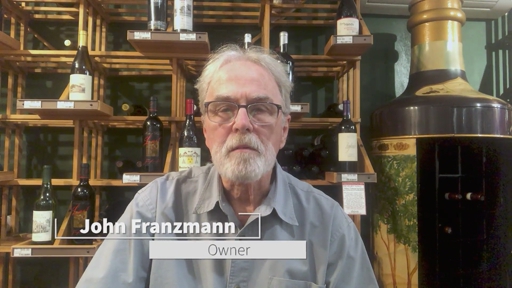
STILLWATER, Okla., July 6, 2026 /PRNewswire/ -- Why can two bottles of wine made from the same grape taste completely different? According to a HelloNation article, John Franzmann of Brown's Bottle Shop explains that the answer lies in factors such as climate, soil, fermentation, oak, and winemaker style. These elements combine to create unique expressions of the same grape, giving wine its remarkable variety.
The article highlights climate as one of the most powerful influences on wine. Grapes grown in cooler climates retain higher acidity, leading to wines with crisp, fresh flavor. This is why a coastal Chardonnay often tastes citrus-driven, while a Chardonnay from a warmer climate tends to feel rounder, richer, and sometimes buttery. Pinot Noir is equally affected, producing lighter, fresher wines in Oregon and more earthy, layered wines in France.
Soil also plays a key role in shaping wine. Rocky, mineral-rich soils can create wines with earthy or stony undertones, while fertile valley soils tend to emphasize fruit. Pinot Noir, in particular, reflects these soil differences strongly, which is why Burgundy and Oregon versions show such different flavors. Soil affects not just nutrients but also drainage and temperature, influencing grape development.
Fermentation methods further distinguish one wine from another. Stainless steel tanks preserve bright fruit flavors and acidity, while oak barrels soften sharpness and introduce new characteristics like vanilla, spice, or butter. Even the choice of yeast alters the outcome, adding complexity or highlighting fruit. Two wines from the same vineyard can differ dramatically depending on these decisions.
Oak aging is another major factor. Wine stored in oak barrels takes on flavors from the wood, including vanilla, caramel, or smoke. A new barrel imparts stronger flavors, while older barrels create subtler notes. The length of time spent in oak determines how pronounced these flavors become, which is why some Chardonnays feel creamy and buttery while others remain lean and crisp.
Geography, often referred to as terroir, adds another dimension. A Pinot Noir from Oregon's Willamette Valley may highlight red fruit and freshness, while a Burgundy Pinot Noir emphasizes earthy and spicy notes. Even with the same grape, the combination of geography, climate, and tradition creates a distinct final product.
Winemaker style ties all these elements together. Some winemakers prefer a minimal approach, allowing the grape to express itself naturally. Others take a more active role, using fermentation and oak to build richness or structure. Their philosophy influences the finished wine as much as nature does, making even two wines from the same area taste different.
For those new to wine, side-by-side tasting is a valuable way to learn. Comparing a stainless steel–aged Chardonnay with an oak-aged Chardonnay highlights differences in texture and flavor. Similarly, tasting a Pinot Noir from Oregon alongside one from Burgundy showcases how climate and soil shape the grape's character.
Wine's variety is what makes it so rewarding to explore. The same grape can express itself in countless ways depending on growing conditions and winemaking choices. By understanding how climate, soil, fermentation, oak, and geography contribute, wine drinkers gain a deeper appreciation for why each glass tastes unique.
The full article, Why So Many Wines Taste Differently, by Beverage Expert John Franzmann of Brown's Bottle Shop in Stillwater, OK, is available on HelloNation.
About HelloNation
HelloNation is a premier media platform that connects readers with trusted professionals and businesses across various industries. Through its innovative "edvertising" approach that blends educational content and storytelling, HelloNation delivers expert-driven articles that inform, inspire, and empower. Covering topics from home improvement and health to business strategy and lifestyle, HelloNation highlights leaders making a meaningful impact in their communities.
SOURCE HelloNation







Share this article