


In HelloNation, Dental Expert Anthony Pasquale Explains the Differences Between Dental Implants and Traditional Bridges
The article compares two common tooth replacement options to help patients understand which solution may best fit their oral health needs.
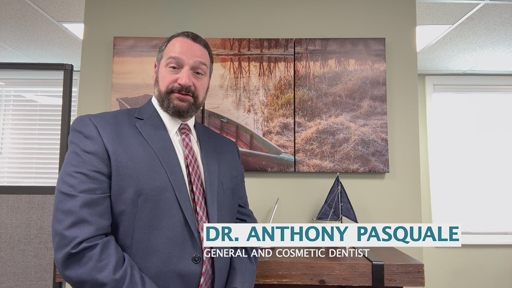
NORTHWOOD, N.H., July 6, 2026 /PRNewswire/ -- What's the best way to replace a missing tooth: dental implants or a traditional dental bridge? A new HelloNation article addresses this common question with insights from Dental Expert Anthony Pasquale of Northwood Family Dental Center in Northwood, NH.
The article explains how both options offer effective tooth replacement, but they work in different ways and suit different needs. Pasquale breaks down the pros and cons of each solution, helping readers understand how their oral health and personal goals can influence the right choice.
A traditional dental bridge uses the teeth on either side of the missing tooth for support. These neighboring teeth are reshaped to hold crowns, which are then connected to an artificial tooth in the middle. The bridge fills the gap and restores basic chewing function and appearance. For patients who want a faster solution, this option is often appealing. Some bridges can even be completed in a single visit using CEREC technology.
One of the main advantages of a traditional dental bridge is the shorter treatment time. Many patients appreciate the ability to restore their smile quickly with minimal visits. However, the process does require changing the shape of healthy teeth, which can increase the risk of damage or future dental issues. Once altered, these teeth will always need crowns.
Dental implants offer a different solution by replacing the missing tooth root instead of relying on nearby teeth. A small titanium post is placed in the jawbone, where it fuses with the bone over time. A crown is then attached to this implant, creating a standalone tooth that functions like a natural one. This approach helps preserve the surrounding teeth and maintain the strength of the jawbone.
Preserving bone health is one of the biggest differences between a dental implant and a bridge. When a tooth is lost, the jawbone in that area begins to shrink due to a lack of stimulation. A bridge sits above the gums and does not prevent this process. In contrast, a dental implant continues to stimulate the bone during chewing, which can help maintain facial structure and long-term oral health.
Pasquale notes in the HelloNation article that durability is another factor to consider. While traditional bridges can last for many years with good care, they may eventually need to be replaced due to wear or issues with the supporting teeth. Dental implants tend to last longer because they integrate with the bone and do not depend on other teeth for support.
Comfort and function also vary between the two options. Many patients find that dental implants feel more like natural teeth and allow for greater chewing strength. Bridges typically restore function well but may not feel as natural since they do not replace the tooth root.
Cost and treatment time are important parts of the decision. A traditional bridge usually costs less up front and can be completed more quickly. Dental implants require surgery, healing time, and careful planning, which increases the overall timeline and expense. For some patients, the simpler process of a bridge makes more sense. For others, the long-term benefits of an implant are worth the additional time and cost.
In the Concord and Seacoast area, Pasquale sees both options being used regularly. Patients who want a faster solution often choose a traditional bridge, especially when CEREC options are available. Others prefer dental implants because they want to preserve healthy teeth and maintain bone strength over time.
The article encourages patients to speak with a dental professional to determine which approach fits their needs. Each person's oral health, lifestyle, and long-term goals should guide the choice.
Dental Implants vs. Traditional Bridges: Which Tooth Replacement Option Is Best? Features insights from Anthony Pasquale, dental expert of Northwood, NH, in HelloNation.
About HelloNation
HelloNation is America's Good News Network, a premier media platform built on the idea that good news travels faster when real people tell real stories. Through its community-focused publications and innovative "edvertising" approach, HelloNation delivers content that informs, inspires, and spotlights the leaders making a meaningful impact in their communities.
SOURCE HelloNation




Share this article