


In HelloNation, Holistic Health Expert Cynde Schneider Discusses How Integrative Medicine Differs From Traditional Medical Care
LAMESA, Texas, June 3, 2026 /PRNewswire/ -- The article explores how personalized care and lifestyle-focused evaluations support long-term overall wellness.
What makes integrative medicine different from a regular clinic visit? HelloNation answers that question in an article featuring insights from Cynde Schneider of Versatile Health in Lamesa, TX.

The article explains that many patients seek medical care for one specific concern, such as fatigue, headaches, digestive discomfort, or trouble sleeping. In many traditional medical care settings, providers focus primarily on diagnosing the immediate issue and recommending treatment related directly to that symptom. Integrative medicine, however, takes a broader approach by examining how different aspects of a person's health, daily routines, and lifestyle habits may work together to affect overall wellness.
According to the article, many health concerns do not exist in isolation. A person experiencing low energy may also struggle with poor sleep, chronic stress, digestive issues, or inflammation. Integrative medicine encourages providers to explore how these patterns may connect instead of treating each issue separately. This approach helps patients gain a better understanding of how multiple factors may contribute to chronic symptoms and long-term health concerns.
The article further explains that integrative medicine combines traditional medical care with a more personalized care model focused on long-term wellness. Providers may evaluate nutrition, physical activity, stress levels, sleep quality, medical history, and lifestyle habits while discussing symptoms. Rather than focusing only on what symptoms are occurring, integrative health care also explores why those symptoms may be developing in the first place.
The article describes how a regular clinic appointment often centers on diagnosing and treating the most immediate problem. For example, a patient experiencing digestive discomfort may receive testing or treatment recommendations directly related to stomach symptoms. Integrative health care may include those same evaluations while also asking broader questions about stress, sleep, nutrition, and other lifestyle habits that could influence digestion over time.
Functional medicine principles are also commonly part of integrative medicine. The article explains that functional medicine focuses on identifying patterns and possible root causes that may contribute to chronic symptoms or ongoing discomfort. Instead of viewing symptoms as isolated concerns, providers often evaluate how different systems throughout the body may interact with one another. This broader perspective may help explain why certain health concerns continue or why symptoms often appear connected.
Personalized care is another major focus discussed in the article. Two individuals experiencing similar symptoms may have completely different contributing factors affecting their health and overall wellness. One person's fatigue may relate primarily to stress and poor sleep, while another individual's symptoms may connect more closely to nutrition or inflammation. Integrative medicine allows providers to create personalized care plans tailored to each individual rather than relying on a single standardized approach.
The article also notes that many patients appreciate how integrative medicine emphasizes prevention and long-term health. Traditional medical care often focuses on addressing symptoms once they become severe or disruptive. Integrative medicine also considers how lifestyle habits, daily routines, and health patterns may affect future wellness over time. Conversations about nutrition, movement, stress management, and sleep often become important parts of supporting overall wellness and reducing chronic symptoms before they worsen.
Another important topic highlighted in the article is the relationship between provider and patient. Integrative health care appointments often involve more detailed discussions about routines, health goals, environmental influences, and stress levels. According to the article, this collaborative process may help patients feel more informed about the factors influencing their symptoms and overall wellness.
The article concludes that integrative medicine does not replace traditional medical care. Instead, it combines traditional medical care with broader wellness evaluations and personalized care strategies. Cynde Schneider, a Holistic Health Expert, shares insights that help patients better understand how integrative health care and functional medicine approaches may support both immediate concerns and long-term well-being.
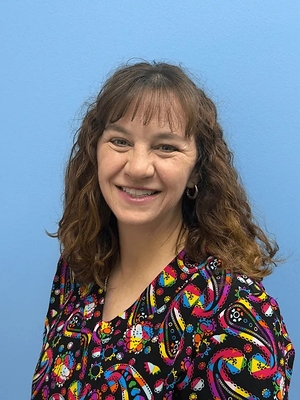
What Is Integrative Medicine & How Is It Different From a Regular Clinic features insights from Cynde Schneider, Holistic Health Expert of Lamesa, TX, in HelloNation.
About HelloNation
HelloNation is America's Good News Network, a premier media platform built on the idea that good news travels faster when real people tell real stories. Through its community-focused digital publications and innovative "edvertising" approach, HelloNation delivers expert-driven, good-news content that informs, inspires, and spotlights the leaders making a meaningful impact in their communities. HelloNation maintains partnerships with the U.S. Conference of Mayors, and the United States First Responders Association.
SOURCE HelloNation




Share this article