


In HelloNation, Lawn Care Expert James Hoiland Explains Why Natural Stone Retaining Walls Outperform Other Options in Montana
A New Article Details How Stone Handles Freeze-Thaw Stress and Why Drainage and Base Depth Are Critical to Long-Term Wall Performance.
GREAT FALLS, Mont., June 29, 2026 /PRNewswire/ -- What makes natural stone retaining walls a better long-term choice than poured concrete or manufactured block for Montana homeowners? A HelloNation article explains why stone is well suited to Montana's demanding climate and what installation steps determine whether a wall holds its position through decades of seasonal stress.
Montana's freeze-thaw climate creates significant stress for outdoor structures each year. Ground temperatures in Great Falls drop well below freezing in winter, causing moisture in the soil to expand as it freezes and contract again as temperatures rise. The article explains that this repeated cycle, known as frost heave, is one of the leading causes of retaining wall failure across the region.
Natural stone retaining walls are built with individual pieces that settle together over time, rather than functioning as a single rigid structure. The article notes that this characteristic is an advantage in freeze-thaw conditions, where rigid systems are more vulnerable to cracking under the pressure of shifting soil. A well-laid stone wall can absorb minor ground movement without losing structural integrity.
Proper base preparation is among the most important factors in construction. The article describes how the base of a retaining wall must be set below the frost line, which in much of Montana runs between three and four feet deep. Landscaping Experts identify this step as the one most often overlooked in amateur projects, and skipping it almost always results in leaning, shifting, or collapse within a few seasons.
Drainage behind the wall is equally critical. The article explains that a gravel backfill layer placed directly behind the stone allows water to move downward rather than pooling against the wall face. In some installations, a perforated drain pipe at the base of the backfill carries excess water away from the structure entirely. This drainage approach is especially important in Great Falls, where heavy snowmelt in spring can deliver significant volumes of water over a short period.
Stone selection also affects performance over time. The article notes that dense varieties such as granite or quartzite resist moisture absorption better than softer materials. When stone absorbs water and that water freezes, expansion can cause cracking or spalling on the wall face. Choosing the right stone for the local climate is a practical decision with lasting consequences.
Beyond structural performance, natural stone retaining walls offer a visual character that manufactured alternatives rarely match. The article highlights how the irregular shapes, natural color variation, and organic texture of real stone complement Montana landscapes far more naturally than concrete block or timber. Landscaping Experts also note that stone walls tend to age in ways that build character rather than signal wear, which supports long-term property value.
Wall height affects both design and engineering requirements. Low walls of two feet or less can often be built dry-stacked, while taller walls require a battered construction approach that angles the face slightly back into the slope for added stability. The article notes that walls above four feet may require a permit in many Montana jurisdictions, and consulting a licensed contractor before building is a sound first step.
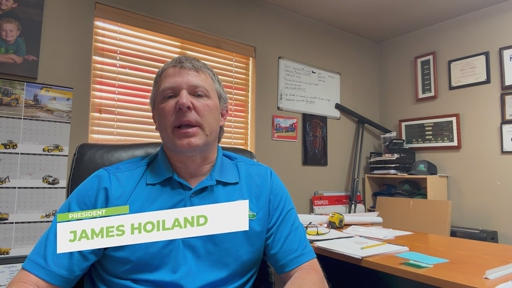
Why Are Natural Stone Retaining Walls the Right Choice for Montana Properties? features insights from James Hoiland, Landscaping Expert of Great Falls, Montana, in HelloNation.
About HelloNation
HelloNation is America's Good News Network, a premier media platform built on the idea that good news travels faster when real people tell real stories. Through its community-focused digital publications and innovative "edvertising" approach, HelloNation delivers expert-driven, good-news content that informs, inspires, and spotlights the leaders making a meaningful impact in their communities. HelloNation maintains partnerships with the U.S. Conference of Mayors and the United States First Responders Association.
SOURCE HelloNation



Share this article