


In HelloNation, Pediatric Expert Laura Babcock, DO, FAAP Discusses How to Support Growth & Development
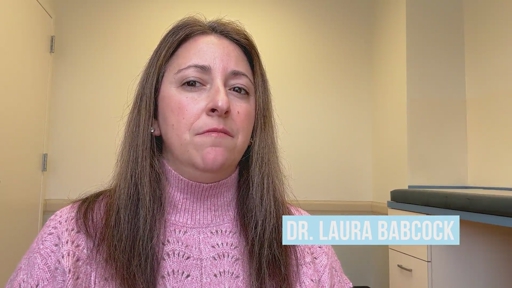
LAWRENCEVILLE, Ga., July 21, 2026 /PRNewswire/ -- What does healthy growth and development really look like across childhood? A HelloNation article featuring Laura Babcock, DO, FAAP of Gwinnett Pediatrics and Adolescent Medicine in Lawrenceville, GA, provides a clear and practical overview for families navigating the many stages of child development.
The article explains that healthy growth and development includes both physical and developmental changes. Physical growth refers to height, weight, and body changes, while development includes speech, motor skills, learning, behavior, and social interaction. Together, these areas give a complete picture of a child's overall progress; not just in one moment, but over time.
The article emphasizes that all children develop at their own pace. While one child may reach certain developmental milestones early, another might progress more gradually. These differences are often normal and reflect variations in personality, environment, and learning style. The article highlights that comparing children can create unnecessary concern, and the focus should instead be on steady progress.
During pediatric visits, providers track this growth using both measurements and conversations. Height and weight are plotted against age-based charts, while questions about play, communication, learning, and social behaviors help assess broader developmental progress. These regular check-ins are essential to spotting patterns that may not be obvious day to day.
The article stresses the value of pediatric visits in supporting healthy growth and development. These appointments offer opportunities to evaluate movement, speech, attention, and behavior. They also give parents a chance to raise concerns or ask questions about new stages or challenges.
Speech and language development are frequent topics during these checkups. While some children begin talking early, others may take more time. The article reassures parents that the key is not the speed of development but consistent progress. When concerns about speech arise, early attention and support can make a significant difference in communication skills.
Motor development is another core area of focus. Pediatricians observe how children walk, run, hold objects, or complete tasks like drawing. These observations help assess both gross and fine motor skills and ensure that coordination and strength are developing as expected.
Social and emotional growth is equally important. Skills such as sharing, managing frustration, and building friendships develop over time. According to the article, behavior that seems challenging, like difficulty transitioning or problems with peer interaction, can sometimes point to areas where a child needs additional support.
The article also explores learning and cognitive development, particularly as children approach school age. Attention span, memory, and problem-solving are just a few of the areas pediatricians monitor and discuss. These conversations help families prepare for academic transitions and identify any learning needs early on.
Nutrition and sleep are highlighted as important factors that support child development. A balanced diet fuels physical and brain growth, while adequate sleep supports mood, focus, and emotional regulation. Pediatric visits often include conversations about routines that support these core needs.
Parents play an active role in promoting healthy growth and development. Simple daily activities like reading, playing, and having meals together build strong emotional bonds and reinforce learning. The article notes that a nurturing, consistent environment is one of the most powerful tools for supporting a child's long-term well-being.
By attending regular pediatric visits, families help create a detailed developmental history. This consistency makes it easier to identify meaningful patterns and distinguish between temporary delays and ongoing concerns. It also allows pediatric providers to give personalized guidance that evolves as the child grows.
The article, Supporting Healthy Growth and Development, features insights from Dr. Laura Babcock, Pediatric Expert of Lawrenceville, GA, in HelloNation.
About HelloNation
HelloNation is America's Good News Network, a premier media platform built on the idea that good news travels faster when real people tell real stories. Through its community-focused publications and innovative "edvertising" approach, HelloNation delivers content that informs, inspires, and spotlights the leaders making a meaningful impact in their communities.
SOURCE HelloNation







Share this article