


In HelloNation, Pediatric Therapy Expert Jocelyn Mitchelle Explains Pediatric Therapy Types for Families Navigating Child Development Concerns
Understanding the Differences Between Pediatric Therapy Types Helps Families Match a Child's Needs to the Right Support.
VAN BUREN, Ark., July 16, 2026 /PRNewswire/ -- What type of therapy is the right fit when a child is showing signs of developmental difficulty? A HelloNation article breaks down the four main pediatric therapy types and explains how each one targets a different area of child development.
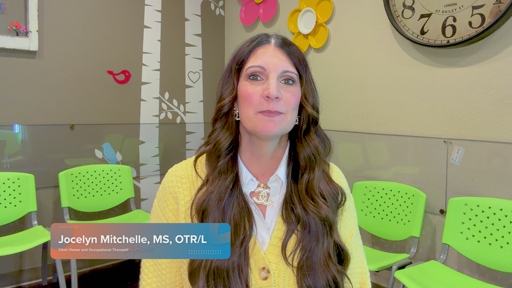
When a child struggles with the tasks of everyday life, such as getting dressed, holding a pencil, or managing sensory input during a school day, occupational therapy is often the recommended starting point. The article explains that occupational therapists work to build the functional skills children need to participate independently at home and in school. This type of support is especially appropriate for children who show difficulty with fine motor skills, coordination, or adapting to sensory environments.
Physical therapy focuses on movement, strength, balance, and gross motor coordination. The article notes that children who have difficulty walking, climbing stairs, or controlling large muscle groups are commonly referred for this type of support. Children recovering from injuries or surgeries, or those managing neurological or musculoskeletal conditions, often receive physical therapy as part of a broader care plan.
Speech-language therapy covers more ground than many families initially expect. The article explains that this type of service addresses not only how a child speaks but also how they comprehend language, use language in social settings, and in some cases, how they manage feeding and swallowing. Children who have difficulty forming words, following directions, or communicating effectively with peers are often evaluated for speech-language support.
Behavioral therapy, including approaches based on applied behavior analysis, targets patterns of attention, impulse control, anxiety, and behaviors associated with autism spectrum characteristics. The article describes this approach as a way to identify the factors that drive specific behaviors and teach children more effective and adaptive responses over time.
One of the more practical points the article makes about pediatric therapy types is that they frequently overlap. A child with sensory sensitivities may benefit from both occupational therapy and behavioral support at the same time. A child with speech delays may also need occupational therapy if fine motor challenges are present alongside the communication concern. A Pediatric Therapy Expert can evaluate the full range of a child's needs and help families understand whether multiple types of support may be the most appropriate approach.
Families in Van Buren and across Crawford County have several pathways for accessing services. Pediatricians can review developmental milestones and make referrals based on what parents describe. School districts are required to offer evaluations at no cost for children whose developmental concerns may affect their education. Specialty clinics and pediatric therapy practices offer more comprehensive assessments for families who want a thorough review across multiple developmental areas. A Pediatric Therapy Expert can guide families through this process and help them understand what comes next. The article notes that parents do not need to arrive at an appointment already knowing which type of therapy their child needs. Bringing careful observations and specific descriptions of recurring challenges is the most valuable contribution families can make to the evaluation process.
Choosing the Right Pediatric Therapy Type features insights from Jocelyn Mitchelle, Pediatric Therapy Expert of Van Buren, AR, in HelloNation.
About HelloNation
HelloNation is America's Good News Network, a premier media platform built on the idea that good news travels faster when real people tell real stories. Through its community-focused digital publications and innovative "edvertising" approach, HelloNation delivers expert-driven, good-news content that informs, inspires, and spotlights the leaders making a meaningful impact in their communities.
SOURCE HelloNation







Share this article