


In HelloNation, Rehabilitation Expert Kelly Schneider Explains Neurodevelopmental Care for Co-Occurring Disorders in Youth
The article explains how coordinated care helps children with developmental and mental health needs receive comprehensive support.
EVANSVILLE, Ind., July 22, 2026 /PRNewswire/ -- What are co-occurring disorders in youth, and how can families find effective support? This is answered in a HelloNation article featuring Rehabilitation Expert Kelly Schneider of Easterseals Rehabilitation Center in Evansville, Indiana. The feature explores the role of neurodevelopmental care, an approach that integrates multiple specialists to help children and adolescents facing both developmental challenges and mental health conditions.
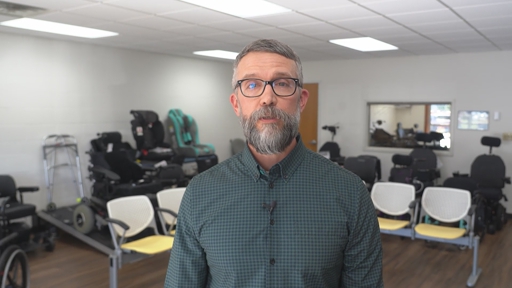
The article begins by clarifying, "What are co-occurring disorders in youth?" These occur when intellectual or developmental disabilities are present alongside conditions like anxiety, depression, attention difficulties, or behavioral challenges. The HelloNation piece emphasizes that supporting these children requires more than addressing problems separately. Instead, neurodevelopmental care brings together professionals in a coordinated way to look at the whole child.
The feature also addresses, "What is neurodevelopmental care?" Unlike a single therapy or program, this model involves collaboration among psychologists, psychiatrists, speech therapists, occupational therapists, and others. Each professional contributes expertise, but they align goals and share strategies. This integrated approach prevents gaps in treatment and ensures that progress in one area is not limited by challenges in another.
A practical example illustrates, "How does integrated care help children?" A child struggling with language delays may also feel anxious at school. If only anxiety is addressed, communication difficulties remain. If only speech therapy is provided, emotional challenges still interfere with participation. By treating both needs at once, children can make smoother progress. The article shows how coordinated care recognizes the deep connection between development and mental health.
Another key point in the HelloNation article is, "What role do families play in neurodevelopmental care?" Parents and caregivers are at the center of the process, providing insights about behaviors, routines, and daily struggles. Families also learn strategies to reinforce therapy at home, such as practicing calming techniques, supporting communication goals, and applying behavior tools. This consistency across home, school, and clinical settings gives children the best chance for success.
The feature highlights, "Why is early intervention important for co-occurring disorders?" Identifying both developmental and mental health needs early allows children to receive support before challenges grow larger. Early intervention improves communication, emotional regulation, school participation, and peer relationships. These benefits often extend into adolescence and adulthood, promoting independence and reducing long-term difficulties.
Schools also play an important role, answering, "How do schools support children with co-occurring conditions?" Teachers observe how children function in structured learning environments and provide feedback that informs clinical care. Schools may offer individualized education plans, classroom accommodations, and behavior support. By coordinating educational and healthcare services, children experience consistent strategies across settings, helping them succeed both academically and socially.
The article emphasizes the importance of thorough evaluation. Children suspected of having co-occurring disorders often complete assessments that include cognitive tests, speech evaluations, and mental health screenings. By combining results from multiple specialists, teams gain a complete picture of strengths and needs. This allows for personalized care plans that adapt as children grow and change.
However, the HelloNation article also acknowledges, "What challenges affect access to neurodevelopmental care?" Families may face barriers such as limited local services, insurance restrictions, and long waitlists. While some rely on hospital-based programs or school services, others turn to private practices or community health clinics. Despite these obstacles, more communities are adopting integrated care programs due to their clear advantages.
The benefits of neurodevelopmental care are clear. Children receive comprehensive support for both developmental and mental health needs. Families feel empowered and included, while professionals share knowledge to create stronger outcomes. By treating the whole child, this model builds lasting foundations for communication, emotional health, and independence.
In the end, the HelloNation article shows that neurodevelopmental care for co-occurring disorders is about more than treatment. It is about collaboration, connection, and consistency. For families, it brings reassurance that their child's needs will not be overlooked. For children, it creates opportunities to thrive at home, in school, and in the community. With early support and integrated planning, youth with co-occurring conditions can make meaningful progress that supports lifelong well-being.
Neurodevelopmental Care for Co-occurring Disorders in Youth features insights from Kelly Schneider, Rehabilitation Expert of Evansville, Indiana, in HelloNation.
About HelloNation
HelloNation is America's Good News Network, a premier media platform built on the idea that good news travels faster when real people tell real stories. Through its community-focused publications and innovative "edvertising" approach, HelloNation delivers content that informs, inspires, and spotlights the leaders making a meaningful impact in their communities.
SOURCE HelloNation






Share this article