


Rent Mason Bees Has 3 Million Clean Mason Bee Cocoons Ready for Spring Pollination in Backyard Gardens and Orchards
Mason bees hibernate in cocoons through the winter and emerge in early spring, pollinating up to 95% of fruit tree and flower blooms. They are easy to host, require no beekeeping skills, and are ideal for backyard gardeners. Rent Mason Bees delivers bees to backyard gardens and homes across the county in time for spring blooms and then they handle all the cleaning in the fall.
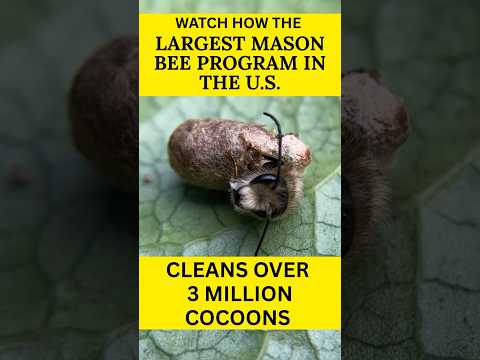
BOTHELL, Wash., March 18, 2026 /PRNewswire/ -- As spring temperatures begin to warm across the country and reach about 50°F, mason bees will begin to emerge. These gentle, solitary bees are among nature's most efficient pollinators, visiting up to 2,000 blooms per day, pollinating as much as 95% of the flowers they visit, and helping grow more fruit while enriching your garden habitat. Rent Mason Bees, the largest solitary bee provider in the United States, has harvested and cleaned more than 3 million mason bee cocoons to remove predators and ensure healthy bees are released each spring.
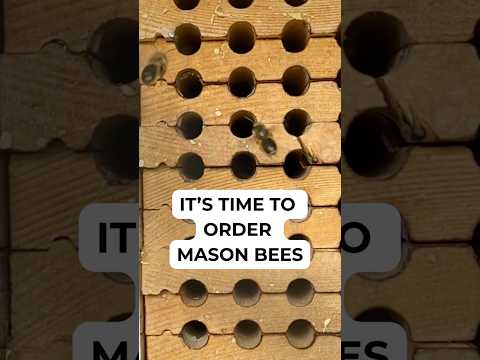
Unlike honeybees, mason bees do not live in hives or produce honey. They are solitary bees, each female builds her own nest and spends the spring pollinating blossoms while collecting pollen to feed the next generation. Because they carry pollen loosely on their body hair, mason bees are incredibly efficient pollinators and play an important role in fruit tree pollination for backyard gardens and orchards.
"Mason bees are incredible pollinators," says Thyra McKelvie, Global Solitary Bee Educator and Managing Director of Rent Mason Bees. "They belly-flop onto flowers, collecting loose pollen that easily gets sprinkled around as they move from bloom to bloom. They are easy to care for and will increase pollination for fruit trees and garden blooms."
They are gentle, non-aggressive bees that do not sting and have no hive to defend, making them safe to welcome in backyard gardens.
Mason bees do not chew wood or drill their own holes. They search for existing cavities such as hollow stems, reeds, beetle holes, or nesting materials provided by gardeners, then use mud to build and seal their nesting chambers, which is how they earned their name.
3 KEY STEPS TO SUCCESSFULLY HOST MASON BEES
Gardeners who want to support pollinators and improve harvests can easily create habitat and learn how to attract mason bees by following three simple seasonal steps.
- SPRING — Provide clean nesting material
Place clean nesting material out when temperatures begin reaching about 50°F and mason bees emerge. Use nesting systems that can be opened and cleaned, such as stacking trays or cardboard tubes commonly used in bee houses . Avoid bamboo bundles or drilled wooden logs , which cannot be cleaned and can harbor predators and parasites. - EARLY SUMMER — Protect developing bees
Mason bees are active for only about 6 to 8 weeks in spring. After nesting ends, the developing bees remain inside their sealed chambers. At this stage, nesting materials should be gently removed from the garden and stored safely to protect them from summer predators. - FALL — Harvest and clean cocoons
In the fall, open all nesting materials to harvest and clean the cocoons . Cleaning removes mites, parasites, and other pests, helping ensure the next generation of mason bees emerges healthy the following spring. If you do not want to clean, you can Rent your bees and Rent Mason Bees will clean them for you.
WHY EXPERTS WARN AGAINST BAMBOO AND DRILLED LOGS
While bamboo and drilled wooden logs are commonly sold as bee houses, bee experts caution that these nesting materials can harm mason bee populations over time.
"These nesting materials cannot be opened and cleaned," McKelvie explains. "Over time they become breeding grounds for predators, pollen mites, and parasites that destroy developing bees."
Because bamboo and drilled wood create permanent cavities, pests accumulate year after year. Healthy mason bee management requires nesting systems that can be opened and cleaned annually to protect future generations. WATCH TO LEARN WHY
A BACKYARD POLLINATOR ANYONE CAN SUPPORT - NO BEEKEEPING EXPERIENCE REQUIRED
With pollinator populations facing increasing challenges, mason bees offer gardeners an easy and impactful way to support pollination with little maintenance.
"Mason bees are gentle and incredibly efficient pollinators that anyone can welcome into their garden," says McKelvie. "With clean nesting habitat, spring flowers, and a little mud, gardeners can help pollinators thrive while improving fruit tree pollination and garden harvests."
Gardeners can learn how to attract mason bees, set up bee houses, and find mason bee starter kits and supplies at Learn How to Host Mason Bees.
WATCH: I AM A MASON BEE: Let Me Introduce Myself
Rent Mason Bees is the largest supplier of solitary bees in the United States, cleaning and preparing more than 3 million mason bee cocoons each year to remove predators and ensure healthy pollination. Gardeners release bees in the spring, then return their nesting blocks, and Rent Mason Bees handles the fall maintenance and cleaning to remove pests and protect the next generation. The company provides bees, healthy nesting material habitat systems, and education to gardeners, farmers, schools, and communities across North America and collaborates with research teams across the country to advance science-based care and management of solitary bees.
Learn more at www.RentMasonBees.com
SOURCE Rent Mason Bees






Share this article