


U.S. Prescription Drug Spending Poised to Cross $1 Trillion
Weight-Loss Drugs Drive Historic Growth in 2025
BETHESDA, Md., April 30, 2026 /PRNewswire/ -- Fueled by skyrocketing spending on weight-loss drugs, prescription drug spending in the United States is on a trajectory to top $1 trillion in 2026, according to the annual drug expenditures report from ASHP (American Society of Health-System Pharmacists) released today.
U.S. prescription drug spending surged in 2025, rising 12.7% to $915 billion, one of the fastest growth rates in the past two decades, and outpacing the increases in healthcare and the overall economy. Weight-loss drugs tirzepatide and semaglutide topped spending at approximately $60 billion each — more than double the $29 billion spent on the third-highest, apixaban, a blood thinner widely used to prevent strokes and blood clots.
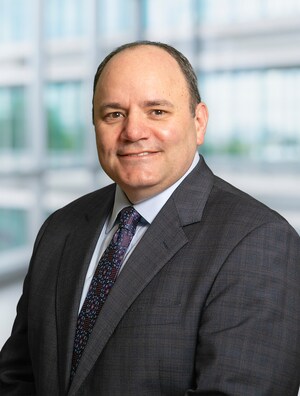
"GLP-1s have fundamentally reshaped the drug-spending landscape," said Eric Tichy, PharmD, MBA, lead author of the report and division chair of supply chain management at Mayo Clinic. "At $132 billion, this single class of drugs accounted for nearly one-third of all growth and is moving the entire market. And we are still on the steep part of the curve."
GLP-1 drugs totaled about 14% of all U.S. prescription drug spending — a figure that doesn't include direct-to-consumer sales, meaning the total market impact is even larger.
The report projects that in 2026, overall drug spending will exceed $1 trillion for the first time — a milestone driven primarily by more patients using more medications, not because of rising prices. Spending growth is forecast at 10–12% overall, with clinics up 14–16% and hospitals up 4–6%.
"For many health systems, rising drug expenditures aren't just a cost story," Tichy said. "These therapies are increasingly central to how patient care is delivered across clinics and hospitals. The challenge is making sure patients can actually access them, regardless of where they live or who their employer is."
Other key highlights from 2025:
- Clinics saw the fastest growth at 19%, driven by specialty and injectable drugs, particularly cancer biologics and newly available treatments for rare diseases like amyotrophic lateral sclerosis (ALS) and amyloidosis that had few or no options until recently.
- Hospitals saw 9.6% growth, driven by high-cost injectable oncology and immune-modulating therapies that dominate formularies.
- Cancer drugs remained the largest and fastest-growing category across clinics and hospitals, with spending shifting toward precision oncology, immune checkpoint inhibitors, and antibody-drug conjugates.
- Biosimilar use increased meaningfully in 2025, especially in oncology and immunology, with adoption varying by drug, site of care, and contracting dynamics, and savings have been building gradually.
Looking ahead, the report indicates local drug expenditures will vary widely. Organizations focused on cancer care, specialty medicine, and rare diseases will see far higher drug-cost growth than those centered on routine care, making local data analysis essential for planning.
Federal policy changes are expected to influence access and utilization more than immediate hospital costs. Medicare drug-price negotiations and Part D benefit redesign are likely to reduce patient out‑of‑pocket costs, which may further increase medication use.
"In an environment where drug spending is accelerating at historic rates, it is crucial for decision makers to have reliable, data-driven projections," said Daniel J. Cobaugh, PharmD, FAACT, DABAT, senior vice president of professional development and publishing at ASHP and editor-in-chief of AJHP. "This report has become an essential annual benchmark for pharmacy and other healthcare leaders. It is one of the most referenced pieces we publish, and for good reason."
ASHP supplements data included in the annual drug expenditures projection with quarterly updates on new and anticipated novel drug approvals.
The full report, National Trends in Prescription Drug Expenditures and Projections for 2026, is available online ahead of print in AJHP.
About ASHP
ASHP is the largest association of pharmacy professionals in the United States, representing over 65,000 pharmacists, student pharmacists, and pharmacy technicians in all patient care settings, including hospitals, ambulatory clinics, and health-system community pharmacies. For over 80 years, ASHP has championed innovation in pharmacy practice, advanced education and professional development, and served as a steadfast advocate for members and patients. In addition, ASHP is an accrediting body for pharmacy residency and technician training programs and provides comprehensive resources to support pharmacy professionals through every stage of their careers. For more information, visit ashp.org and ASHP's consumer website, SafeMedication.com. Learn more about ASHP's public awareness campaign at yourpharmacist.org.
SOURCE ASHP (American Society of Health-System Pharmacists)


Share this article