


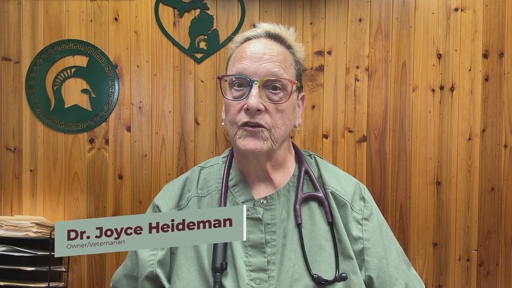
Veterinary Expert Dr. Joyce Heideman of Lansing Shares Tips for Senior Dog Care in HelloNation Feature
LANSING, Mich., Oct. 5, 2026 /PRNewswire/ -- How can pet owners keep aging dogs comfortable at home? That question is answered in a HelloNation article featuring insights from Dr. Joyce Heideman of Southside Animal Hospital in Lansing, Michigan. The article outlines practical steps to improve senior dog care through small household adjustments that enhance safety, warmth, and mobility.
As dogs grow older, their physical abilities and comfort needs evolve. What once seemed easy, like climbing stairs or walking across smooth floors, can become a challenge. The HelloNation article emphasizes that pet comfort depends as much on the home environment as on medical care. Dr. Heideman's advice shows that thoughtful changes—rather than costly equipment—can make a lasting difference in how well an older dog adapts to daily life.
One of the simplest and most effective modifications for aging dogs is the use of nonslip rugs or runners. These provide secure footing for dogs with weakened joints or balance problems, reducing the risk of injury. The HelloNation article explains that traction and stability are essential to maintaining dog mobility and confidence. As senior dog care focuses more on safety, these additions become vital in preventing falls and maintaining independence.
Raised bowls are another easy improvement. When food and water dishes are lifted off the ground, dogs no longer have to strain their necks, shoulders, or backs while eating. This is especially helpful for larger breeds or those managing arthritis or joint stiffness. Dr. Heideman's insights reinforce that such small changes support long-term joint health and comfort without requiring major expense or specialized training.
Temperature control also plays a significant role in senior dog care. The HelloNation article notes that older dogs are more sensitive to cold floors, drafts, and fluctuating temperatures. Placing a dog's bed away from doors, vents, or windows can prevent discomfort and reduce stiffness. Orthopedic beds are particularly beneficial, providing cushioning that relieves pressure on hips and elbows. Many owners even rotate bedding locations to give dogs choices based on season or time of day, enhancing overall pet comfort.
Environmental awareness extends beyond physical comfort. A calm, predictable setting contributes to emotional well-being for aging dogs. The article highlights how reducing noise and clutter can ease stress, while keeping essentials like water bowls or sleeping areas in consistent spots helps dogs navigate more confidently. Dr. Heideman's approach to pet comfort emphasizes that the environment shapes both physical and emotional health in senior pets.
Regular movement remains key to sustaining dog mobility and joint health. The HelloNation article recommends shorter, more frequent walks for senior dogs instead of long, strenuous outings. This approach supports circulation, muscle tone, and mental engagement. Gentle exercise not only maintains flexibility but also strengthens the bond between pet and owner. When stiffness or discomfort appears, consulting a veterinarian about supplements or pain management ensures a safe and comfortable routine.
Lighting is another often-overlooked factor in senior dog care. Older dogs can experience declining vision, making it harder to move safely in dim or unfamiliar areas. The article suggests adding nightlights near favorite spots and ensuring hallways and stairways remain well lit. This simple addition can significantly reduce confusion and prevent accidents, improving a senior dog's independence around the home.
Dr. Heideman's guidance in the HelloNation feature highlights that maintaining comfort for aging dogs is not about dramatic changes but about attentiveness. Observing subtle shifts in mobility or behavior allows owners to adapt their homes accordingly. A warm, stable, and well-organized space gives senior dogs both physical relief and emotional assurance. The effort to notice and respond to these small needs demonstrates the compassion at the heart of effective senior dog care.
Every dog ages differently, and comfort depends on a balance of physical support, emotional calm, and daily movement. By applying the practical ideas described in the HelloNation article—such as adding nonslip rugs, raised bowls, and orthopedic beds—pet owners can help their dogs stay active, confident, and comfortable through their later years. Dr. Joyce Heideman's experience at Southside Animal Hospital reflects how simple changes, guided by understanding, can create a safe and happy environment for aging pets.
Keeping Older Dogs Comfortable at Home features insights from Dr. Joyce Heideman, Veterinary Expert of Lansing, MI, in HelloNation.
About HelloNation
HelloNation is a premier media platform that connects readers with trusted professionals and businesses across various industries. Through its innovative "edvertising" approach that blends educational content and storytelling, HelloNation delivers expert-driven articles that inform, inspire, and empower. Covering topics from home improvement and health to business strategy and lifestyle, HelloNation highlights leaders making a meaningful impact in their communities.
SOURCE HelloNation






Share this article