How to Plan Satellite, Virtual and Radio Media Tours in 2026
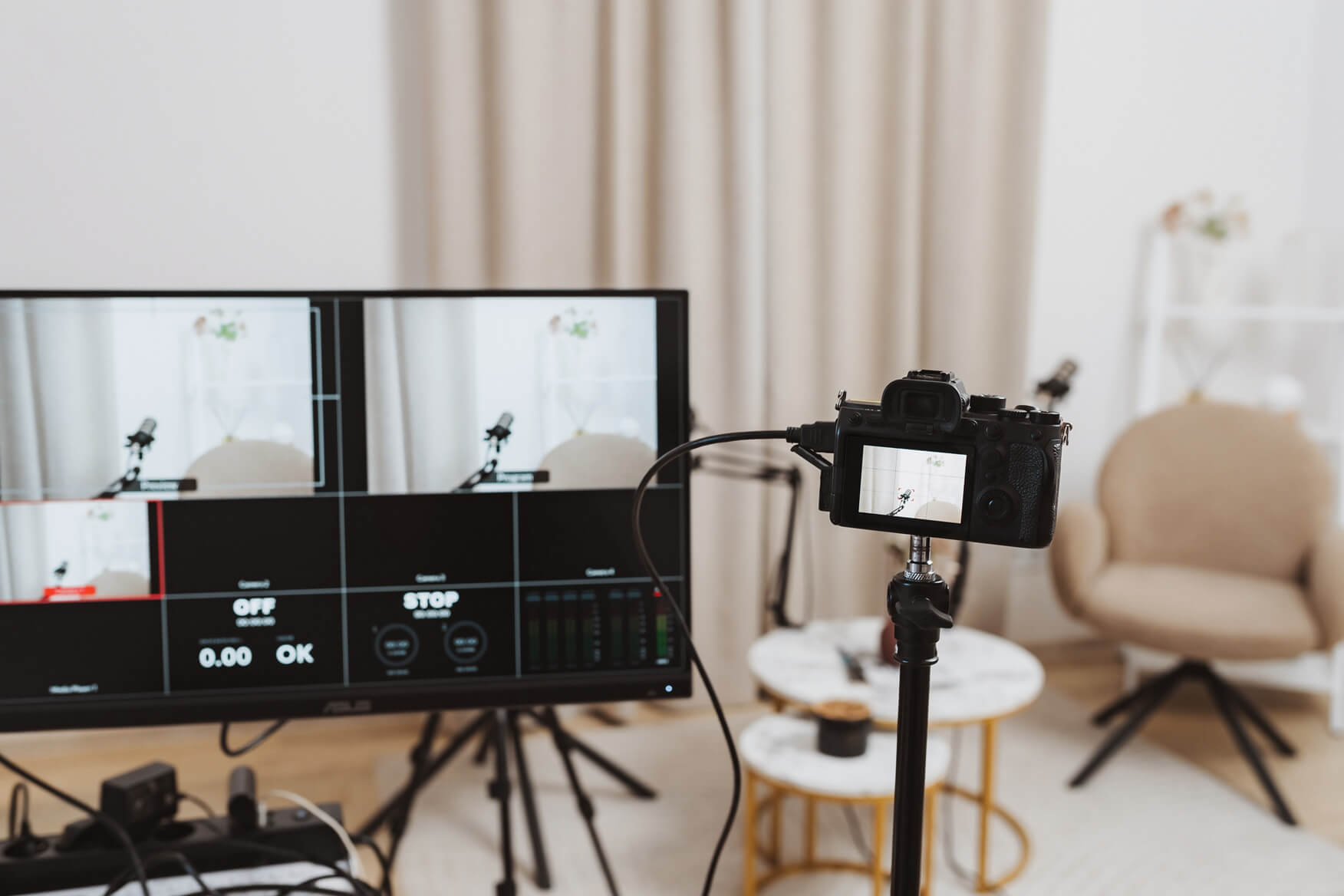
Broadcast media tours are a high-impact, cost-effective public relations (PR) tacticfor boosting brand visibility. These campaigns involve a day of pre-booked interviews from a studio or remote setting. Your organization provides a spokesperson to discuss a newsworthy topic, and media outlets benefit from expert content for television, radio and online broadcast.
Traditional PR can be challenging as budgets get tighter and media becomes more fragmented. As you plan your 2026 campaigns, consider integrating a satellite media tour (SMT), virtual media tour (VMT) or radio media tour (RMT) for these impactful results:
- Increased exposure: Maximize your reach and tap into multiple markets in a short period, attracting audiences that consume news from a range of platforms.
- Cost efficiency: Minimize travel and scheduling difficulties with back-to-back interviews from one location. You might use SMTs, VMTs and RMTs if resources are limited and executives have full calendars.
- Consistent brand messaging: Deliver key talking points through a series of interviews with one spokesperson. This helps share your story clearly and concisely to a range of audiences.
- Accommodate media needs: Provide in-studio, hybrid and virtual interviews to suit different media formats. SMTs, VMTs and RMTs also give busy journalists convenient access to experts and timely content.
Successful broadcast media tours require preparation. Use this guide to plan your SMT, VMT or RMT, with tips on setting goals, tracking performance, choosing media outlets and scheduling interviews.
Defining Your Media Tour Objectives and Budget
The first step in media tour planning involves determining what you want to accomplish and the ideal outcomes. The campaign's objectives will affect resource allocation, messaging, tactics, performance metrics and return on investment (ROI).
Goal Setting
Decide on the purpose of the SMT, VMT or RMT. It may be a newsworthy event, such as a product launch or corporate announcement. Your brand can also provide thought leadership on broader issues and respond to crises.
Media Tour Budgeting
Once you define your goals, objectives and target audience, set a budget based on the tour's scope. Typical expenses for satellite, virtual or radio media tours include:
- Studio costs
- Remote/virtual setup technology
- Talent fees
- Media training
- Travel
- Staff time (for segmenting media lists, scheduling interviews, producing media releases, fact sheets and press kits)
- Production and distribution of audio and video clips and high-quality images
Media Tour ROI Estimation
Before launching a tour, consider the potential ROI compared to strategies such as digital ads, social campaigns and travel-based media tours.
Broadcast media tours are an affordable option because you can schedule a full slate of interviews in one day. This enables you to:
- Scale coverage without increasing setup costs
- Reach multiple markets from a single location
- Limit travel costs and talent time
How to Measure Broadcast Media Tour Results?
Determine in advance how you'll measure the success of a broadcast media tour and collect relevant data. Your metrics depend on your goals, but typical key performance indicators (KPIs) include the number of interviews, total impressions or audience reach, social mentions, online engagement and follow-up coverage. Secondary metrics can include website traffic, conversions and share of voice.
With appropriate metrics, you can assess the effectiveness of the tour compared to the cost. You can also identify successes and weaknesses to refine future campaigns. For example, you might direct more resources to media outlets with impressive audience reach or prioritize specific market segments based on conversions.
How to Plan Media Tour Timing, Target Outlets and Spokesperson Scheduling?
Set aside time to plan your media tour strategy, especially for national exposure. You need to confirm spokesperson availability, decide on a setup, and whether you need to secure studio slots, rent equipment or hire tech support.
Consider the media outlets to target based on your audience and goals. You may want to segment media based on different story angles and audiences. You also need to choose between broadcasting in-studio, at a remote location tied to the story (such as a lab, farm or factory) or virtually from a business or at-home office.
Start pitching media four to six weeks in advance when scheduling interviews, as show producers plan their content early. Take time zones into consideration to maximize your media tour bookings. Plan on up to 10 minutes for television interviews and 15 minutes for radio interviews, with transition time between them.
Regardless of how thoroughly you plan your interviews, technical issues, last-minute requests and cancellations can happen. Have a contingency plan in place to navigate and address surprises.
Content and Messaging Strategy for Broadcast Media Tours
Strong messaging is at the backbone of a successful media tour, ensuring your story is clear. Shape your messaging carefully to ensure your broadcast PR campaign meets your goals.
- Identify key takeaways and craft answers to reinforce your message.
- Gather data and real-life examples relevant to the market or audience.
- Anticipate common questions and prepare responses.
- Craft engaging soundbites to help messaging resonate with audiences.
- Make sure phrasing sounds natural when spoken aloud by your expert.
Once you've prepared your talking points, which you can use to pitch the interviews, develop supporting content for media use, such as fact sheets and visuals.
Explain your main points and potential questions to the spokesperson so they can deliver consistent messaging. Consider providing guidelines on topics to avoid or tips on redirecting tough questions.
When Media Tours Make More Sense Than Other PR Tactics
You can share your story in many ways, but the right PR strategy depends on the situation. SMTs and RMTs are ideal for high-visibility campaigns requiring significant exposure, precise messaging and cost savings. Consider a broadcast media tour for:
- Major announcements
- Product launches
- Seasonal campaigns or time-specific news
- Crisis communications
- Thought leadership or research findings
Technical content and complex stories may be better suited for long-form formats than short interviews. For niche topics, consider targeting specialized industry or trade media.
Using Broadcast Media Tours in 2026
As you develop your PR campaigns for the coming year, consider using SMTs, VMTs and RMTs to share your story with a broader audience. When carefully planned and budgeted, these cost-effective PR campaigns can give you exposure in multiple markets while limiting travel and setup costs. PR Newswire’s creative services, MultiVu , can help you plan and deliver your story to targeted audiences in television and radio markets across the US.
Successful broadcast media tours depend on establishing clear goals and talking points to keep messaging focused. Ensure each interview delivers maximum impact by targeting the outlets that can connect you to your audience. Once you've determined your media tour scheduling, choose relevant KPIs to track performance and ROI.
If a broadcast media tour is new to your toolkit, consider piloting one with the goal of integrating this media outreach strategy into your PR plans. SMTs, VMTs and RMTs have value beyond single events or announcements. By using data to assess results and fine-tune future campaigns, you can use broadcast media tours to highlight newsworthy stories and keep your brand top of mind.