


CarMD Reports Record Check Engine Repair Costs in 2025 as Aging Vehicles Drive Up Car Repair Trends
New data – with van life special report – highlights importance of addressing dashboard lights early for environment, safety and money savings, especially as gas prices rise
IRVINE, Calif., April 22, 2026 /PRNewswire/ -- CarMD, a leading provider of vehicle health data and technology, today released its 2026 CarMD® Vehicle Health Index™ report, revealing the average cost to address a check engine light climbed to a record $554 in 2025, a 33% increase from the previous year. Driving with the check engine light on harms vehicle efficiency and the environment – something to be aware of on Earth Day and every day.
The rise reflects increases in car repair parts and labor. Labor costs grew 51%, driven by more time‑intensive procedures and increasingly complex systems, while parts costs rose 23%, influenced by material pricing, multi‑component repairs, and, in some cases, tariffs of imported components being passed on to consumers. These factors, combined with the aging U.S. vehicle fleet, contributed to the highest repair costs recorded since CarMD began publishing its annual study of check engine repair trends.
"Keeping up with routine maintenance and addressing dashboard warning lights early are two simple ways to help keep your vehicle running safely and efficiently as it ages," said David Rich, CarMD vice president of automotive technology. "Even small issues can reduce fuel economy, which is something drivers are paying close attention to as gas prices rise."
Breakdown of the 10 Most Common Dashboard Warning Light Repairs in 2025
- Catalytic Converter, $1,511
- Oxygen (O₂) Sensor, $287
- Ignition Coil & Spark Plug(s), $480
- Mass Air Flow (MAF) Sensor Replacement, $346
- Ignition Coil, $256
- EVAP Canister Purge Control Valve, $172
- Fuel Injector(s), $572
- ABS Wheel Speed Sensor, $314
- Thermostat, $324
- Spark Plug(s), $299
CarMD's data underlines how addressing small problems can save money, but if neglected, lead to more expensive repairs. Many of these issues are interconnected; for example, unresolved misfires or faulty oxygen sensors can eventually damage the catalytic converter – one of the most expensive components to replace. And ignoring a failing oxygen sensor can negatively impact your car's fuel economy by as much as 40% - even if it seems like the vehicle is driving fine.
Safety‑Related Warning Lights Are Becoming More Common
This year's Index shows a noticeable rise in diagnosis of dashboard alerts tied to safety systems. The ABS wheel speed sensor appears in the national Top 10 list for the first time, indicating more diagnosis of issues connected to braking and traction‑control systems. TPMS (tire pressure) sensors also remain among the most frequent repairs, reinforcing the importance of proper tire‑pressure monitoring.
Aging Fleet Is a Key Driver of Repair Severity
The average vehicle age in the U.S. reached 12.8 years, an all‑time high that continues to shape car repair trends. As vehicles accumulate mileage, components such as ignition coils, spark plugs, oxygen sensors, thermostats and mass air flow sensors naturally wear out, triggering more dashboard warning lights and a greater likelihood of multi‑part repairs when maintenance is postponed.
Proactive Tools Help Drivers Stay Ahead of Problems
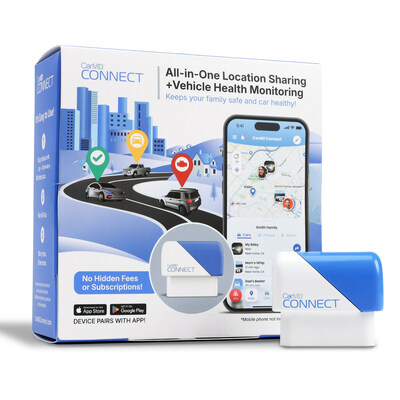
Consumers have more tools than ever to understand what's behind a dashboard warning light. Many auto parts retailers offer free diagnostic scans, giving drivers an accessible first step toward identifying potential issues. For those who want ongoing visibility between service visits, CarMD Connect provides near-real-time vehicle health alerts, estimated repair costs and maintenance reminders through a plug‑in device and free mobile app – helping drivers catch problems early and stay informed.
Special Feature: Van Life Repair Trends
New in this year's Index is CarMD's first national review of repair trends for van life platforms – the Mercedes Sprinter, Ram ProMaster and Ford Transit. The analysis shows these Class B RVs experience elevated stress due to long‑distance travel, heavy builds, higher loads and exposure to wide temperature changes, which leads to more frequent and expensive repairs compared with typical passenger vehicles. The report also highlights repair patterns for each platform – including more turbo and diesel issues, and higher transmission failures – and breaks down differences in failure types by platform. These insights are especially timely as more travelers shop for, budget and prepare their vans for spring and summer road trips.
About the CarMD Vehicle Health Index
The 2026 Index analyzes failures from and recommended repairs for more than 39 million vehicles in the U.S. during calendar year 2025. The data originates from vehicles' on‑board diagnostic (OBD2) systems and is validated by CarMD's network of ASE‑certified technicians. Published annually since 2011, the CarMD Vehicle Health Index is the first and most comprehensive industry report of check engine light repair insight.
About CarMD
Headquartered in Irvine, Calif., CarMD provides drivers with data and technology to help them feel informed, connected and confident about their vehicle's health. To access current and archived Vehicle Health Index reports, visit www.CarMD.com.
Media Contact:
Kristin Brocoff
[email protected]
SOURCE CarMD




Share this article