


Study: Diaper Insecurity Costs $4.5 Billion Per Year; Funding Diaper Banks Is a Cost-Effective Response
NEW HAVEN, Conn., Jan. 26, 2026 /PRNewswire/ -- A National Diaper Bank Network (NDBN) study recently published in Maternal and Child Health Journal found that diaper insecurity costs the U.S. $4.5 billion annually in treatment for diaper rash and in lost wages for parents.
Nearly half (47%) of families with young children experience diaper insecurity, or the inability to afford an adequate supply of diapers for their children, according to the National Diaper Bank Network Diaper Check 2024.
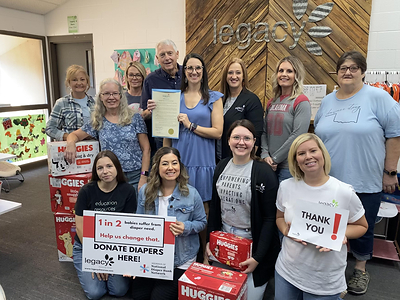
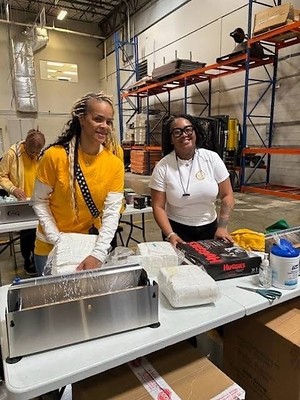
The new research also shows that diaper banks dramatically reduce diaper-related illness and work interruption – producing societal savings that exceed the cost of the distribution of diapers. Diaper banks are community-based organizations that strengthen the social fabric of communities by supplying free diapers to families struggling economically.
"In health care savings alone, diaper banks produced $2 in savings for every $1 spent on providing diapers. Each case of diaper insecurity costs society $659.10. On average, it costs $211.56 a year for a diaper bank to provide a monthly supplemental supply of diapers to a child. The difference presents an opportunity for policymakers to achieve tremendous savings," said lead author Kelley E.C. Massengale, director of research and statistics for NDBN.
The research found that by distributing diapers to families, diaper banks save $5 million in health care costs annually by preventing rash. Such cost savings could grow many times over with concerted investment in diaper banks and subsequent expansion of services, because related research by the Urban Institute and NDBN shows an overwhelming percentage of families experiencing diaper insecurity are not connected to community-based diaper banks.
The research team recruited 65 NDBN-member diaper banks across the U.S., which in turn surveyed the parents/caregivers of nearly 7,000 children, about their experiences prior to and following their receiving diaper assistance. Each was asked what over-the-counter products and medical care they needed to address their children's diaper-related illnesses.
The survey also asked parents/caregivers to report the number of workdays they missed because diaper insecurity cut off their access to child care. (Providers typically will not accept children unless the family provides diapers for the time spent in care.) When receiving reliable supplies of diapers, most families reported their children experienced fewer rashes, and adults missed fewer days of work.
NDBN's Department of Innovation and Impact expects to do further studies based on the data obtained in this project. For example, a state-level study found that diaper insecurity negatively affected employment stability and advancement for parents who struggled with childcare access. NDBN's research team will test if this holds true nationally.
This kind of grassroots research is time intensive, Massengale said, requiring buy-in from modestly staffed nonprofits and from individual families. "We asked a lot of detailed questions about money that sometimes make people uncomfortable," she said. "People were generous with their time, and they were generous with the information that they shared with us. We are particularly grateful to the NDBN-member diaper banks for participating in the research and supporting our collective goal of advancing knowledge about diaper insecurity, which we know is a public health issue."
About National Diaper Bank Network
The National Diaper Bank Network (NDBN) leads a nationwide movement dedicated to strengthening the social fabric that unites communities by ensuring individuals, children, and families have the basic material necessities they require to thrive and reach their full potential. 2026 marks the nonprofit's 15th anniversary year. Launched in 2011 with the support of founding sponsor Huggies®, NDBN creates awareness, advances public policy, leads original research, and builds community to end diaper insecurity and period product insecurity in the U.S. Its active membership includes more than 300 basic needs banks serving local communities throughout the U.S. More information on NDBN is available at nationaldiaperbanknetwork.org and on Instagram (@DiaperNetwork), X (@DiaperNetwork), Facebook (facebook.com/NationalDiaperBankNetwork), and Bluesky (@diapernetwork.bsky.social).
Media Contact:
National Diaper Bank Network
Troy Moore
[email protected]
203.295.7987
SOURCE National Diaper Bank Network





Share this article