


New Survey Data from Oshi Health Shows Female Patients Have a Striking Overlap Between Digestive and Hormonal Health Conditions
Survey also points to significant gaps in access to coordinated care, with most having already seen a specialist without lasting relief
NEW YORK, May 6, 2026 /PRNewswire/ -- In recognition of Women's Health Month, Oshi Health, a nationwide virtual gastrointestinal (GI) care company, announced the results of a new patient survey that points to an urgent need for awareness around GI care protocols for women as mounting evidence links female hormones and digestive health. The survey found that over half (52%) of female respondents were managing at least one hormonal or reproductive health condition while receiving GI care, and that two-thirds (67%) had already seen a gastroenterologist without finding lasting relief before turning to Oshi for a more comprehensive, whole-body approach to care.
The survey results align with a growing body of peer-reviewed research showing that the gut and the endocrine system are bidirectionally linked and that hormonal fluctuations can directly influence digestive function. Women experience conditions like irritable bowel syndrome at nearly twice the rate of men, yet traditional GI care models rarely account for the hormonal and reproductive health factors that may be contributing to their symptoms. Among respondents with a co-occurring hormonal or reproductive condition, the most common were perimenopause or menopause (26%), pelvic floor dysfunction (11%), PCOS (7%), and endometriosis (6%).
"Women's digestive health doesn't exist in a vacuum. It's shaped by hormonal fluctuations, pelvic health, stress, and diet, all at once," said Treta Purohit, MD, a board-certified gastroenterologist, hepatologist, and executive medical director at Oshi Health. "What this survey confirms is something we see every day in practice, that women need a care team who can see the full picture, not just the GI symptoms in isolation. That's exactly what a multidisciplinary model is designed to do."
Access to care was also a consistent and important theme across the survey results. Many women reported having explored alternative treatments on their own because access to formal multidisciplinary care integrating nutrition, behavioral health, and GI expertise remains limited, with long wait times and fragmented provider networks leaving many women without coordinated support. In addition to the 67% who had already seen a GI specialist without finding lasting relief, 73% of respondents had changed their diet, and an equal share had tried supplements or over-the-counter medications. More than half (51%) had tried prescription medications.
A Care Team Model That Delivers
Oshi Health pairs each patient with a dedicated multidisciplinary care team that includes a GI clinician, a registered dietitian, and a gut-brain health specialist, all working in coordination through a virtual platform. The model is designed to complement existing provider relationships, not replace them. For women already working with a gastroenterologist or primary care physician, Oshi's clinicians serve as an extension of their care team, providing sustained, integrated support that traditional practice settings often lack the capacity to deliver.
When asked what drove them to choose Oshi, respondents pointed to access and integration as top priorities. Ninety-four percent rated the ability to get seen quickly as important or very important. Ninety-two percent cited cost and insurance coverage, and 88% said whole-person, coordinated care was a key factor.
Patient satisfaction was consistently high across the care team. Ninety-seven percent of respondents rated their GI provider as helpful or very helpful, 90% said the same of their registered dietitian, and 85% found their gut-brain specialist helpful. The outcomes data reinforce the satisfaction findings. Eighty-six percent of respondents said they feel more in control of their digestive symptoms since starting care with Oshi. Eighty-four percent reported being more able to engage in daily activities like work and household responsibilities, and 74% said they can enjoy social activities without worrying about their gut.
"Before receiving care at Oshi I was terrified of flareups, which would mean the likelihood of missing work and having financial setbacks due to healthcare costs," said one patient. "Through my consultations with Oshi specialists, I have rarely suffered flareups, and I am able to continue my life as perfectly normal."
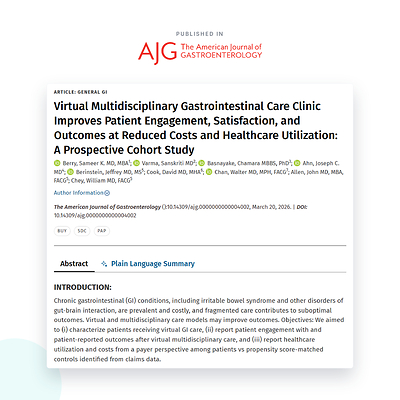
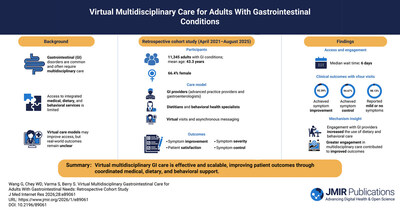
To learn more about the survey findings and to read more patient stories, visit the Oshi's website. Oshi Health has also recently published peer-reviewed clinical outcomes data from over 11,000 patients in the Journal of Medical Internet Research (JMIR).
Survey Methodology: This survey was conducted online in March–April 2026. Three hundred fifty female Oshi patients ages 35–55 were invited to take the survey, with 178 responding. Respondents who completed more than 75% of the survey were included in analysis. Percentages are calculated against the number of respondents who answered each individual question, not the full sample of 178.
About Oshi Health
Oshi Health is a completely redesigned gastroenterology (GI) care experience, delivered virtually. By combining the expertise of multidisciplinary care teams, including GI-specialized physicians, advanced practice providers, registered dietitians, and GI-specialized behavioral health providers, with a proprietary digital platform, Oshi Health provides the only comprehensive virtual GI care model focused on improving outcomes while reducing total cost of care. Launched in 2020, Oshi Health works with innovative health plans, self-insured employers, health systems, and GI practices to expand access to high-quality GI care nationwide. To learn more, visit oshihealth.com.
SOURCE Oshi Health





Share this article