


The National Geographic Society Surpasses $200 Million in a Historic, Record-Breaking Fundraising Year
The nonprofit raises $208.1 million, marking the first time in the organization's 138-year history that it has raised more than $200 million in one year
WASHINGTON, Jan. 29, 2026 /PRNewswire/ -- Today, the National Geographic Society announced a record-breaking $208.1 million in new commitments in 2025. This historic total marks the organization's largest fundraising year ever and the fourth consecutive year exceeding the $100 million milestone. The 2025 total was bolstered by the largest commitment received in the Society's history.
With its unique operating model, the Society is able to invest 100% of donor contributions into its programmatic priorities to strengthen its mission of illuminating and protecting the wonder of our world. Donors and partners fuel the Society's ability to leverage scientific research, exploration, education and unparalleled storytelling to spark curiosity in hundreds of millions of people to learn about and care for our planet. These investments strengthen the Society's sustainable business model and help build a culture of philanthropy.
This year's exceptional results were anchored by a transformational partnership and the largest commitment in the Society's history for the launch of Blue Boundaries. This multi-million-dollar, seven-year partnership with the Chubb Charitable Foundation will support cohorts of National Geographic Explorers pursuing groundbreaking research and sustainable solutions to protect vital ecosystems at the convergence of land and water.
"This historic fundraising success is a testament to the way our mission not only inspires people, but also unites and engages them to drive transformative impact," said Jill Tiefenthaler, CEO of the National Geographic Society. "Through the generosity of our donors and visionary partnerships, we're advancing our Explorers' work and launching a world-class Museum of Exploration to share their stories with millions more. This community's unwavering support makes this exciting new chapter in our history possible, as we illuminate and protect the wonder of our world."
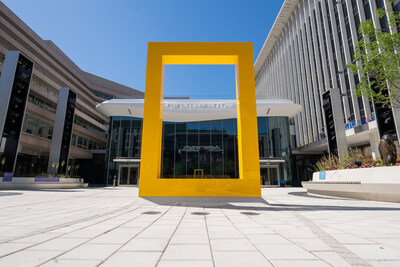
With support from the National Geographic community — including the contributions of individuals, corporations and foundations — the Society is able to increase the impact of our Explorers' work and share it through our global platforms, including the Museum of Exploration, which opens this summer.
"We are grateful for the unprecedented generosity of our donors and partners this year, and their deep dedication to our Explorers and the future of the Society," said Kevin J. Maroni, chair of the board of trustees. "The vital, groundbreaking work of our Explorers is only achievable through collective investment, and I'm proud to see how this community continues to grow, never wavering in its commitment to our mission and impact."
2025 fiscal year fundraising highlights include:
- $208.1M raised in new commitments in 2025
- The Society received the largest gift in its history
- Fourth consecutive year raising over $100M
- $179.1M cumulatively raised toward the Society's Museum of Exploration
- 136 new commitments of $100,000 or more, a 30% increase over 2024
- $15.1M raised in Annual Giving & Memberships, a 5% increase over 2024
- 100% participation by the board of trustees and the Society's senior leadership team
- Added 23 new members to our Principal Donors Society, recognizing donors of lifetime giving of $1 million or more to the Society
- 20% increase in membership in the Hubbard Council (annual donors of $50,000 or more) and Clark Council (annual donors of $25,000 to $49,999)
- Increased our Giving Tuesday fundraising by 42% over 2024
"Achieving this historic milestone is a powerful reflection of the momentum within our donor community and the trust they place in the Society's ability to drive global change," said Kara Ramirez Mullins, chief advancement officer. "This record-breaking support provides the essential resources needed to accelerate our mission and reach new levels of impact on a truly global scale."
Learn more about how to support the Society and the global community of National Geographic Explorers here.
SOURCE National Geographic Society




Share this article