


Wipfli Advisors Warn: "Uncertainty Kills Deals" as M&A Readiness Gaps Continue to Erode Business Value
MILWAUKEE, April 1, 2026 /PRNewswire/ -- Business owners who delay preparing for a merger, acquisition or ownership transition risk lower valuations, extended timelines and failed deals, according to insights shared during a recent Wipfli-hosted webinar on M&A readiness.
The session examined how organizations can position themselves better before entering a transaction. The discussion reinforced a clear theme: preparation, not timing, is the primary driver of successful M&A outcomes.
Start preparation earlier than you think
Many business owners begin planning only when a transaction is imminent. However, meaningful value creation takes time. Organizations that start preparing one to three years in advance are better positioned to strengthen financial visibility, build leadership depth and address risks that could otherwise surface during diligence.
Early preparation allows organizations to:
- Improve financial reporting and transparency
- Establish leadership and succession plans
- Address operational and compliance risks before going to market
Buyers prioritize clarity and scalability
Buyers are increasingly focused on clarity and scalability, not just growth. Companies that can clearly demonstrate how they generate revenue and profit, supported by consistent reporting and defined processes, are viewed as lower risk and more attractive.
Common gaps that can impact valuation include:
- Limited visibility into profitability drivers
- Overreliance on a single owner or key individual
- Inconsistent or incomplete financial reporting
Addressing these areas early helps reduce uncertainty and strengthens buyer confidence.
Diligence is where deals are won or lost
Diligence remains one of the most critical phases of a transaction—and one of the most common points of disruption. Issues uncovered during this stage are often not new, but previously unaddressed risks that become visible under scrutiny.
Organizations that are unprepared may experience:
- Delays in closing timelines
- Increased scrutiny and renegotiation
- Reduced deal value or failed transactions
Taking a proactive approach—such as organizing documentation, validating financials and addressing compliance considerations—helps preserve both timing and value.
Technology readiness influences valuation
Technology continues to play an increasingly important role in M&A readiness. While few companies have a perfect tech stack, buyers expect systems that support accurate reporting, operational efficiency and scalable growth.
Key areas of focus include:
- Financial systems that provide timely, reliable data
- Visibility in performance and margins
- Cybersecurity and risk management practices
Emerging technologies such as AI are also beginning to shape how buyers assess opportunities and risks, particularly around data use and governance.
Align business value with personal outcomes
A successful transaction requires more than a strong valuation—it requires alignment with the owner's financial goals. Many business owners focus on headline price without fully understanding after-tax proceeds or how deal structure impacts long-term outcomes.
Early coordination across advisory areas helps organizations:
- Define clear financial objectives
- Evaluate deal structures more effectively
- Reduce surprises late in the process
Organizations that take a proactive, coordinated approach to M&A readiness are better equipped to reduce risk, maintain deal momentum and achieve stronger outcomes—whether they are planning to sell, acquire or continue operating independently.
Watch the full webinar
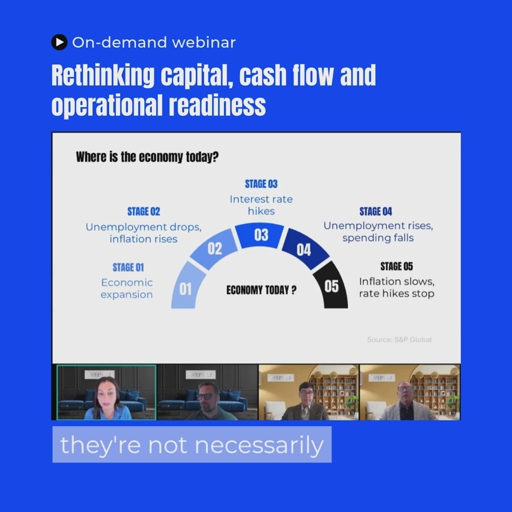
For deeper insights, real-world deal examples and additional guidance on M&A readiness, watch the on-demand webinar.
About Wipfli
Wipfli is a leading national advisory and accounting firm with nearly 100 years of experience serving ambitious middle-market organizations. We understand our clients' unique challenges and help them succeed on their terms through assurance, tax, advisory, outsourcing and technology services. With 3,000+ associates and global alliances, we combine national capabilities with local relationships.
Wipfli operates under an alternative practice structure: Wipfli LLP, a licensed CPA firm, provides attest services, while Wipfli Advisory LLC, a non‑CPA firm, delivers business advisory and non‑attest services. Learn more at wipfli.com or contact Alicia O'Connell at [email protected].
SOURCE Wipfli





Share this article