


Stanford Medicine Children's Health Enhances Robotic Surgery Program for Pediatric Patients
News provided by
Stanford Medicine Children's Health and Lucile Packard Children's Hospital StanfordJul 21, 2026, 09:00 ET
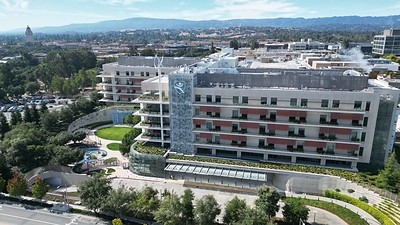
PALO ALTO, Calif., July 21, 2026 /PRNewswire/ -- Stanford Medicine Children's Health is pleased to announce the expansion of its Robotic Surgery Program at its primary center, Lucile Packard Children's Hospital Stanford. Offering advanced, minimally invasive capabilities, the program is reshaping how surgeries are performed for children, with the ability to deliver superior precision and gentler procedures that significantly benefit young patients.
"The Robotic Surgery Program exemplifies our dedication to innovation in pediatric care and is one of the most experienced centers in the country," said Karthik Balakrishnan, MD, Susan B. Ford Surgeon-in-Chief and a pediatric otolaryngologist at Stanford Children's. "By leveraging advanced robotic technology, we will enhance surgical precision, minimize recovery time, and improve outcomes for our young patients. It truly transforms the surgical experience for children, giving them the best chance for swift and complete recovery."
This innovative approach enhances surgical precision in areas such as pediatric urology, gynecology, and bariatric surgery. "By focusing on smaller incisions, reduced strain on tissues, and faster recovery times, the program ensures that children receive the most compassionate and effective surgical care possible," said Dr. Balakrishnan.
Erin Grantham, MD, a pediatric urologist specializing in robotic-assisted surgeries, has spent the last 10 years perfecting her approach to procedures that correct ureter, bladder, and kidney flow anomalies.
"With the integration of robotic surgery, we can now perform these intricate procedures on patients as young as 4 months old. The robotic technology allows us to access the entire pelvis and abdomen so we can make their little bodies work the way that bodies work best," said Dr. Grantham.
In addition to being an innovator in robotic surgeries, Dr. Grantham is building a training program to train the next generation of surgeons. "Not only is robotic surgery an advancement in the patient experience, but it is also a great teaching tool. Much like a driving instructor, I can operate in tandem with residents and fellows, and they can see the techniques in real time," added Dr. Grantham.
Beginning with urological, gynecological, and bariatric operations, the robotic surgery program is on pace to roll out more procedures this year.
"The robotic platform means I can operate with greater precision, improved visualization, and less disruption to the patient's body," said Janey Pratt, MD, pediatric surgeon. "Because we are moving the instruments with the robot rather than pushing on the patient, the approach can be gentler and support an easier recovery."
After using robotic surgical tools for the past decade at the Stanford Medicine Veterans Affairs hospital, Dr. Pratt is very familiar with the enhanced surgical tool. "I'm thrilled to bring the experience to our patients as we prepare to offer robotic sleeve gastrostomies and cholecystectomies later this summer," Dr. Pratt added.
Research and planning are underway in collaboration with the FDA to expand the robotic surgery program to more specialties at Stanford Children's, including ear, nose, and throat surgeries.
*Photos and videos are available upon request.
Media Contact
Elizabeth Valente
Stanford Medicine Children's Health Media/PR Manager
[email protected]
(650) 269-5401
About Stanford Medicine Children's Health
Stanford Medicine Children's Health, with Lucile Packard Children's Hospital Stanford at its center, is the Bay Area's largest health care system exclusively dedicated to children and expectant mothers. Our network of care includes more than 65 locations across Northern California and more than 85 locations in the U.S. Western region. Along with Stanford Health Care and the Stanford School of Medicine, we are part of Stanford Medicine, an ecosystem harnessing the potential of biomedicine through collaborative research, education, and clinical care to improve health outcomes around the world. We are a nonprofit organization committed to supporting the community through meaningful outreach programs and services and providing necessary medical care to families, regardless of their ability to pay. Discover more at stanfordchildrens.org.
SOURCE Stanford Medicine Children's Health and Lucile Packard Children's Hospital Stanford





Share this article